
Aircon Dedicated Circuit: Electrical Requirements Explained
An aircon dedicated circuit is the part of an installation most people never see and few think to ask about. Here's what your air conditioner needs from the electrical side, who should do that work, and where the paperwork fits in.
Air conditioners are among the heaviest electrical loads in a typical home or office. They run for hours at a time and the compressor draws a surge of current every time it starts. Wiring that copes with a kettle or a laptop charger isn't automatically fit for that job.
Getting the electrical side right protects the unit, the wiring in your walls and the people using the building. It also keeps you on the right side of the regulations when you sell the property.
Why an aircon dedicated circuit matters
A dedicated circuit runs from your distribution board (DB) to the aircon alone, protected by its own circuit breaker. Manufacturers' installation manuals generally call for one, and there are good practical reasons:
- No sharing the load. Put an aircon on the same circuit as a kettle, heater or microwave and the combined current can trip the breaker, or worse, overheat sockets and cables.
- Correct protection. The breaker can be matched to the unit's requirements instead of being a compromise for everything on the circuit.
- Easier fault-finding. When the aircon's breaker trips, you know straight away which appliance is involved.
- Stable voltage. A properly sized cable keeps the voltage at the unit where it should be, which matters for compressor starts and control electronics.
The isolator next to the outdoor unit
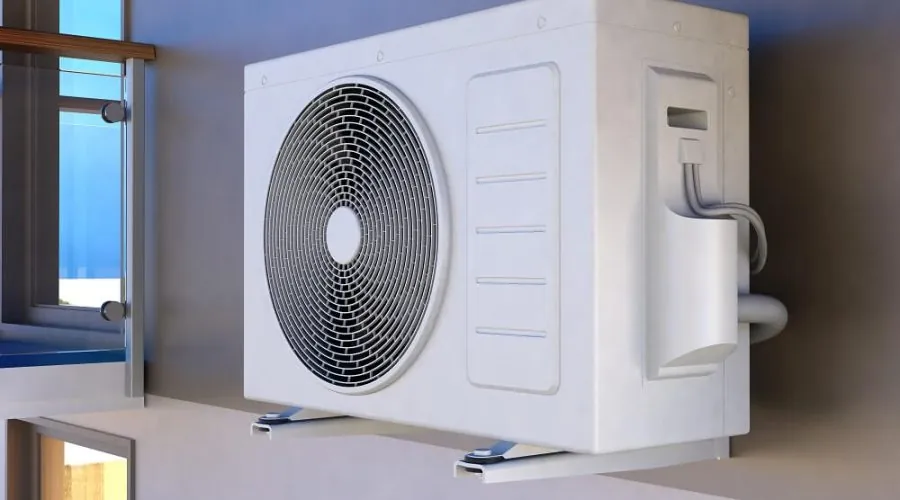
An isolator is a switch, usually in a weatherproof box mounted near the outdoor unit, that cuts power to the aircon. It means a technician can make the unit electrically safe right where they're working, without walking back to the DB. It's also a convenient way for you to switch the system off completely before a severe thunderstorm or when you're away for a long time.
Breaker and cable sizing: the electrician's call
There's no single "aircon breaker size". Each model's installation manual and nameplate give its electrical requirements, including the maximum protection rating and power supply needed. The electrician uses those figures, together with the cable length from the DB and how the cable is installed, to choose the breaker and cable size. Longer runs may need a thicker cable to avoid excessive voltage drop.
Bigger units need bigger circuits. An aircon dedicated circuit is sized for one particular load, so if you're replacing a 9,000 BTU unit with a 24,000 BTU one, don't assume the old circuit will do. Have it checked.
Surge protection on the Highveld
Gauteng's summer thunderstorms bring plenty of lightning, and power returning after an outage can carry voltage spikes. Modern aircons, especially inverter models, rely on electronic control boards that don't take kindly to either. A surge protection device fitted at the DB by your electrician reduces the risk of damage from these spikes. It can't make a unit immune to a direct strike nearby, which is why switching off at the isolator during a severe storm is still sensible.
The electrical CoC and when you need a new one
In South Africa, electrical installations are governed by the Electrical Installation Regulations, 2009, made under the Occupational Health and Safety Act, with SANS 10142-1 as the wiring code for low-voltage installations. Under these regulations, the user or lessor of an installation must have a valid Certificate of Compliance (CoC), and only a registered person may issue one.
Adding an aircon circuit counts as an addition
A new circuit for an aircon is an addition to your electrical installation. Once that work is done, you need a CoC covering it, either for the addition itself or a new certificate for the whole installation. Ask for it when the work is finished and file it with your property documents.
Why it matters when you sell
When a property changes hands, the seller has to provide a valid electrical CoC. A certificate older than two years, or one issued before changes were made, won't do. An aircon circuit added without a CoC is exactly the kind of thing a pre-transfer inspection will pick up.
Shortcuts that cause problems later
| Shortcut | Why it's a problem |
|---|---|
| Extension cords or multi-plugs | Not rated for a continuous heavy load; they can overheat at the plug and joints. Manufacturers' manuals warn against them. |
| Tapping into a nearby plug or lighting circuit | Overloads a circuit designed for something else and leaves the aircon without the right protection. |
| Reusing an old circuit for a bigger unit | The existing cable and breaker may be too small for the new unit's current. |
| No isolator outside | Makes safe servicing harder and removes the easy way to switch off during storms. |
| Skipping the CoC | Leaves an undocumented addition that will need inspecting and certifying later, usually at a less convenient time. |
Some installations do use a dedicated socket outlet rather than a hard-wired connection. That can be acceptable when the circuit serves the aircon alone and is correctly rated, but it's the electrician's decision, not a shortcut to save a trip to the DB.
Three-phase supply for larger commercial units
Most home split units run on a normal single-phase supply. Larger systems, such as big ducted, packaged rooftop and multi-unit commercial installations, often need a three-phase supply. If your building doesn't have one, upgrading means an application to City Power, Eskom or your municipality, which takes time, so raise it early in any commercial air conditioning project. Three-phase equipment also needs the correct phase sequence and suitable protection, which the electrician and the aircon installer should coordinate.
Who does what on installation day
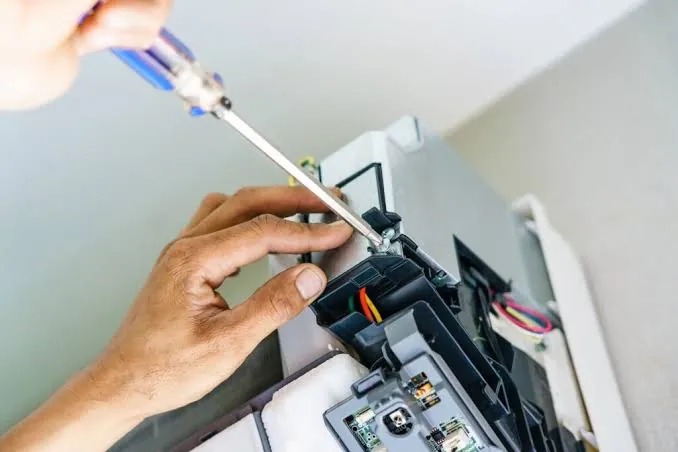
- Registered electrician. Runs the aircon dedicated circuit from the DB, fits the breaker, isolator and any surge protection, tests the work and issues the CoC.
- Aircon installer. Mounts the units, connects the refrigerant pipework, interconnecting cable and drain, then commissions and tests the system.
- You. Confirm before the day who is responsible for each part, and keep the CoC and installation invoice together.
When we quote for aircon installation, we'll tell you what the unit you're buying needs electrically so your electrician can plan the circuit. It also helps to know the questions to ask an aircon installer before work starts. If you're ready to plan an installation, request a free quote or call 0861 995 092.
Already have an aircon that trips its breaker? That's a fault to investigate, not a reason to fit a bigger breaker. Our guide on why an aircon keeps tripping explains the usual causes, and our aircon repairs team can test the unit on site.
Aircon electrical FAQs
Fixed split, cassette and ducted units should be on a circuit that serves the aircon alone, sized by an electrician to the unit's specifications. Small portable units are designed to plug into a normal socket, but they should still go straight into a wall socket rather than an extension cord or multi-plug.
It depends on the units and the circuit, and it is a decision for the electrician based on the combined load and the manufacturers' requirements. In most homes and offices, each unit having its own circuit is simpler, safer and makes fault-finding easier.
If a new circuit or other electrical work was done for the aircon, that is an addition to the installation and needs to be covered by a Certificate of Compliance, either for the addition or a new certificate for the whole installation, issued by a registered person.
Only if that person is also a registered electrician entitled to issue CoCs. Many aircon installers work alongside an electrician who does the circuit and issues the certificate. Ask who will issue yours before the work begins.
During a severe thunderstorm, switching off at the isolator before the storm arrives is a sensible precaution, especially for inverter units with sensitive electronics. Don't go outside to the isolator while lightning is already striking nearby; switch off at the DB indoors instead or simply wait it out.

Start your installation on the right circuit
Get a free, no-obligation quote from ARS for aircon installation anywhere in Gauteng.