
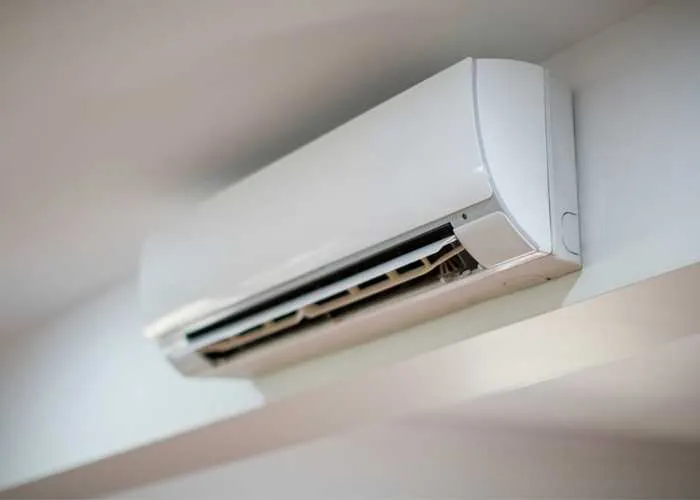
Aircon Heating in Winter: How to Get the Most From It
Many split units can heat as well as cool, yet plenty sit unused from May to August while a fan heater does the work. Here's how aircon heating in winter actually works, why it's usually the cheaper way to warm a room, and how to use it well on cold Highveld mornings.
Gauteng winters are dry, sunny by day and properly cold at night, with frost common in many suburbs. Many homes here are designed with summer heat in mind and lose warmth quickly once the sun goes down. That's exactly when a reverse-cycle aircon earns its keep, and why aircon heating in winter is worth understanding properly.
If your remote has a sun symbol or a mode marked "Heat", your unit is almost certainly a reverse-cycle model, also called a heat pump. Check the manual if you're unsure, since some cooling-only models are still around.
How heat mode works, in plain words
In summer, your aircon moves heat from inside the room to the outside. In heat mode it simply runs the same process backwards. A component called the reversing valve switches the direction the refrigerant flows, so the outdoor unit now collects heat from the outside air and the indoor unit releases it into the room.
It sounds odd that cold winter air contains usable heat, but it does. The refrigerant in the outdoor coil is colder still, so heat flows into it, and the compressor then raises its temperature enough to warm your room.
Why it usually beats a plug-in heater
A fan heater, oil heater or bar heater turns electricity directly into heat. One unit of electricity in, one unit of heat out. That's as good as resistance heating gets.
Heat pumps work differently. A heat pump doesn't make heat from electricity; it uses electricity to move heat that's already in the outside air, and moving heat takes much less energy than making it. Engineers measure this with the coefficient of performance (COP): the heat delivered divided by the electricity used. A resistance heater has a COP of 1. Heat pumps typically deliver several units of heat for each unit of electricity in mild conditions, which is why heating with your aircon generally costs a fraction of running a plug-in heater for the same warmth.
Frosty Highveld mornings and the defrost cycle
On a cold, damp night the outdoor coil can drop below freezing and ice builds up on it. Ice blocks airflow, so the unit periodically runs a defrost cycle to melt it. When that happens, you'll notice:
- The indoor fan stops and warm air pauses for a few minutes, sometimes with a defrost light on the indoor unit.
- Steam rises from the outdoor unit as the ice melts. This is vapour, not smoke.
- Water drips from the outdoor unit, which is normal and should be able to drain away.
- A hiss or click as the reversing valve switches over and back.
All of this is normal. What isn't normal is an outdoor unit that stays caked in ice for hours, or an aircon that never seems to come out of defrost. That points to a fault, such as a sensor, a low refrigerant charge from a leak, or poor airflow.
You may also notice the indoor fan doesn't start straight away when you first switch heat mode on. Many units wait until the indoor coil has warmed up, so they don't blow cold air at you. Give it a few minutes.

Best settings for aircon heating in winter
- Choose a moderate set temperature. A comfortable indoor temperature rather than the maximum. Each extra degree means more work for the compressor, especially when it's frosty outside.
- Point the louvres down. Warm air rises, so direct it towards the floor and let it rise through the room. Pointing it at the ceiling leaves your feet cold.
- Use auto fan. It lets the unit run faster while warming up and quieter once the room is comfortable.
- Start before you need it. Use the timer to switch on before you wake up or get home, rather than blasting heat into an ice-cold room.
- Close doors and curtains. Heat escapes fast through glass at night, and heating the passage as well as the bedroom wastes energy.
- Avoid constant on-off switching. Inverter units are most efficient when left to tick over at a steady setting.
- Keep the outdoor unit clear. Leaves, covers or stored items around it restrict airflow and trap defrost water.
Service before winter, not during it
A unit that's sat through a dusty dry season, or a full summer of cooling, often has clogged filters and dirty coils. In heat mode, that means weak warm air and longer defrost cycles. Late autumn is a sensible time to have it checked, before the first cold front arrives, so aircon heating in winter starts reliably when you need it.
During a pre-winter service, expect cleaning of filters and coils, a check that the reversing valve switches correctly between modes, confirming the outdoor coil drains properly, and checking electrical connections and operating pressures. Our guide on how often to service your aircon explains the usual intervals, and our aircon servicing covers both heating and cooling modes.
If your aircon blows cold air in heat mode, won't switch into heating at all, or ices up and stays that way, it needs attention. We carry out heat-pump repairs on site, on all makes and models. Book a repair or service or call 0861 995 092. For winter heating without the cold-weather breakdowns, our maintenance plans keep both seasons covered.
Winter heating questions
In most cases the aircon is cheaper to run for the same amount of heat, because a heat pump moves heat from the outside air instead of creating it directly from electricity. The advantage narrows on the coldest mornings, but it generally remains the more efficient electric option.
That is almost always the defrost cycle melting ice off the outdoor coil. The steam is water vapour and the indoor fan usually pauses at the same time. It is normal unless the unit stays iced up for long periods.
Many units hold the fan off for a few minutes until the indoor coil warms up. If the air stays cold well after that, the unit may be in cooling mode by mistake, or there could be a fault with the reversing valve, sensors or refrigerant charge that a technician should check.
No. Reverse-cycle units can heat and cool, while cooling-only models cannot heat at all. Look for a heat mode or sun symbol on the remote, or check the model in the manual or specification sheet.
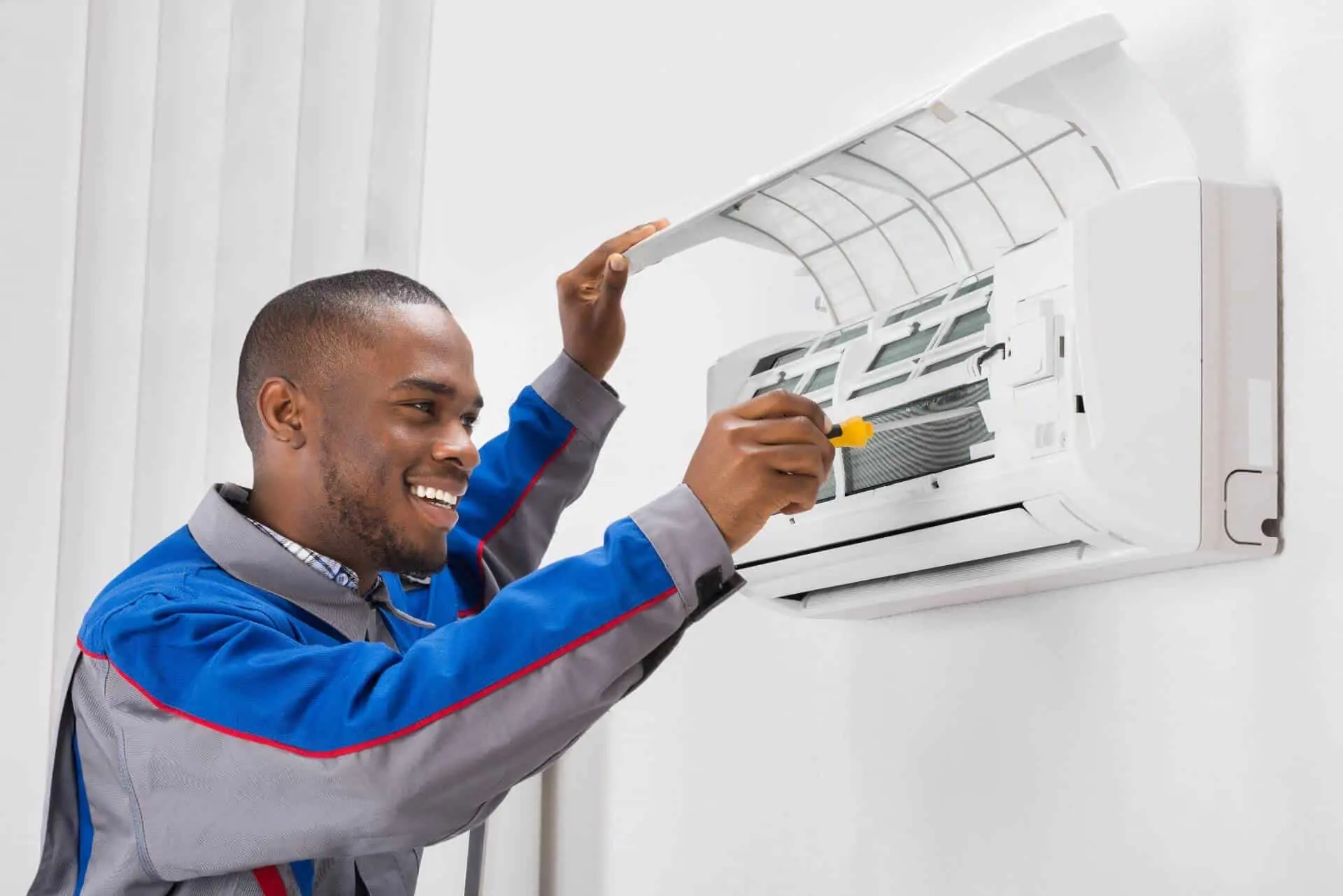
Ready your aircon for the cold months
A pre-winter service checks heat mode, defrost and drainage before the frost arrives.