
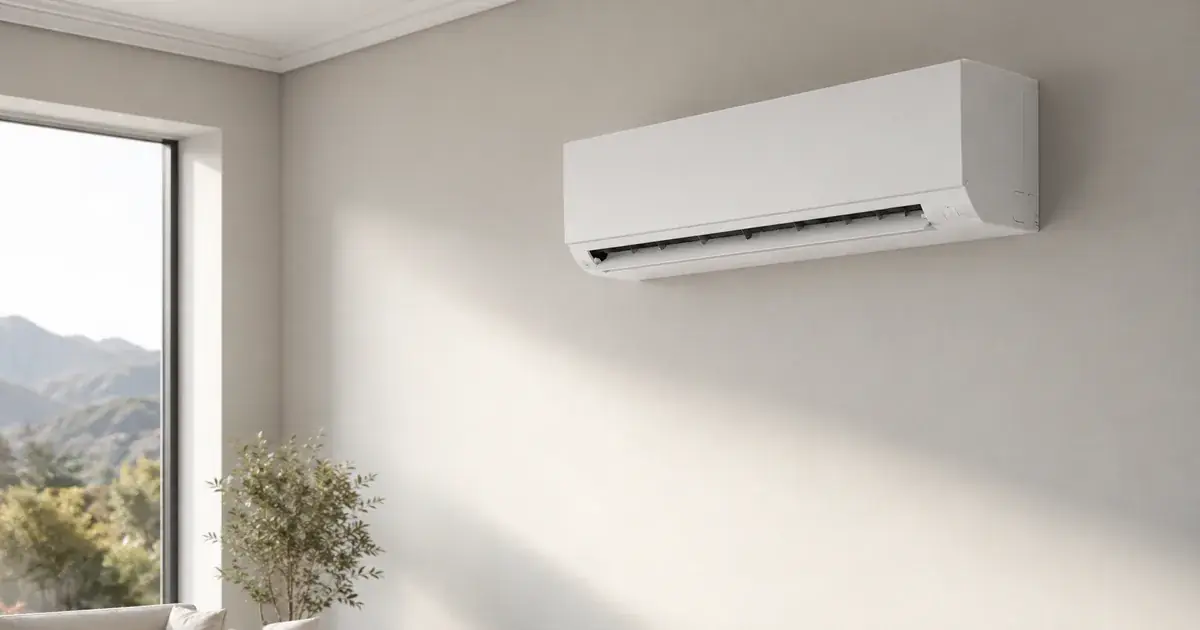
Home Air Conditioning, Planned Around How You Live
Cool bedrooms on summer nights, a warm lounge on frosty Highveld mornings and a home office you can actually work in. ARS plans, installs and looks after home air conditioning for houses, flats and townhouses across Gauteng.

A Home Is Not a Small Office
Homes are used differently from workplaces. Bedrooms need cooling at night, when quiet matters most. Lounges get the afternoon sun. Home offices run a laptop, two screens and a router all day. And through winter, the same unit is often expected to heat.
Good residential aircon starts with those habits, not with a brochure. We look at which rooms you actually use, at what time of day, and what you want from each, then recommend units and positions to suit.
Home Air Conditioning Room by Room
What works in a main bedroom is the wrong answer for an open-plan living area.
Bedrooms
A quiet indoor unit, positioned so air moves across the room rather than straight onto the bed, with a sleep mode that eases off through the night.
Open-plan living
Large volumes, big sliding doors and often a double-volume ceiling. Sizing matters most here, and sometimes two units beat one big one.
Home offices
Computers and screens add heat all day. A small inverter unit keeps the room steady during working hours without blasting cold air at your desk.
Nurseries
A moderate, steady temperature, airflow directed away from the cot and filters kept clean. Gentle settings matter more than raw cooling power.
Flats and apartments
Limited outside wall, balconies and building rules. The condenser position and the drain route need careful thought so neighbours aren't affected.
Townhouses and estates
Body corporate or HOA approval, rules on where condensers may go and often a multi-split to keep the outside tidy.
Why Inverter Units Suit Homes
A traditional fixed-speed unit has two settings: full power or off. It overshoots the temperature, stops, lets the room warm up and starts again. An inverter unit varies its compressor speed instead, slowing down once the room is comfortable and holding it there. The result is a steadier temperature, less noise at low load and, in rooms used for long stretches, lower electricity use.
For bedrooms in particular, it's worth checking the indoor unit's sound level at its lowest fan speed on the specification sheet before you buy. The quietest setting is the one you'll hear at 2am.
Placing Units for a Good Night's Sleep
Where the indoor unit goes affects comfort as much as which unit you choose. Ideally it sits high on a wall where it can throw air along the length of the room, not directly above or pointed at the bed. The outdoor unit should be kept away from bedroom windows, yours and the neighbours'. A condenser on a bracket outside the main bedroom can carry a hum indoors, so anti-vibration mounts and a sensible position are worth the thought.
Heating Through a Highveld Winter
Most modern split units are reverse-cycle, meaning they run as a heat pump in winter. Rather than turning electricity directly into heat like a bar heater, they move heat from outside into the room, which is generally a far more efficient way to warm a space. On frosty mornings the unit will pause now and then to defrost the outdoor coil. A little steam from the outdoor unit and a short break in warm air are normal.
Heating output drops as the outside temperature falls, so a unit sized only for summer cooling may feel underpowered on the coldest nights. If heating is a priority, mention it at the quote stage. Our guide to using your aircon for heating in winter has practical tips on settings.
Running Costs, Solar and Backup Power
What home air conditioning costs to run depends on the unit's size and efficiency, how well the room holds its temperature (insulation, curtains, closed doors), the temperature you set and how clean the unit is. A clogged filter or a dirty outdoor coil makes any unit work harder, which is why regular aircon servicing pays for itself in comfort as well as reliability.
If you have solar panels or a battery inverter, an aircon is one of the biggest loads you can put on it. Inverter aircons start more gently than fixed-speed ones, which helps, but running one on batteries during load shedding drains them quickly. Talk to your solar installer about your inverter and battery capacity before connecting an aircon to the backup circuit. Our article on running an aircon on solar or inverter backup explains the trade-offs.
Keeping the Outdoor Unit Secure
An outdoor unit is an expensive piece of equipment sitting outside, and in some areas condensers and their copper pipes are a target for theft. Placing the unit inside the property's boundary wall, mounting it high on a bracket and fitting a lockable open-mesh cage all help. Whatever you choose, it must still allow free airflow and leave access for servicing.
We fit and maintain home units across Gauteng, from family homes in Irene and Weltevredenpark to townhouses in Glen Marais. Ready to talk about home air conditioning for your house? Request a free quote or call 0861 995 092. For what happens on the day, see our aircon installation page.
Questions Homeowners Ask Us
Many average bedrooms are well served by a 9,000 or 12,000 BTU unit, but sun exposure, ceiling height, insulation and how the room is used all change the answer. A quick look at the room settles it.
Yes, with sensible settings. Keep the temperature moderate rather than cold, angle the airflow away from the cot and keep the filters clean. An inverter unit helps by holding a steady temperature.
If it is a reverse-cycle unit, yes, and most modern splits are. It heats the room it is in rather than the whole house, so a home usually needs a unit in each room you want to keep warm.
Only if your backup system is big enough to carry it. Most battery inverters sized for lights, Wi-Fi and a fridge will not run an aircon for long. Check with your solar installer before adding one to the backup circuit.
Indoor units on a low fan speed are quiet enough for most people to sleep with. Noise levels vary by model, so compare the indoor sound rating on the specification sheet, and keep the outdoor unit away from bedroom windows.
Get written permission from your landlord first, and in a sectional title building the body corporate will usually need to approve the outdoor unit position and any drilling as well.
Yes, a multi-split system connects two or more indoor units to one outdoor unit. It saves outside space, which helps in townhouses and estates, but if the outdoor unit fails, every room on it loses cooling.
Once a year is a good baseline for a unit used mainly in summer, ideally before the hot season starts. Units used year-round for heating and cooling, or in homes with pets, may need more frequent attention.
Make Every Room Comfortable, Summer and Winter
Get a free, no-obligation quote for cooling and heating your home in Gauteng.